Can Dogs Eat Oranges and Which Parts to Remove
Most healthy dogs can eat a small amount of plain orange flesh. Remove the peel and seeds, separate a little flesh, and cut it into manageable pieces. Some dogs dislike citrus, and there is no reason to persuade them to eat it. [1]
Oranges are optional treats. A dog eating an appropriate complete food does not need an orange to obtain vitamin C.
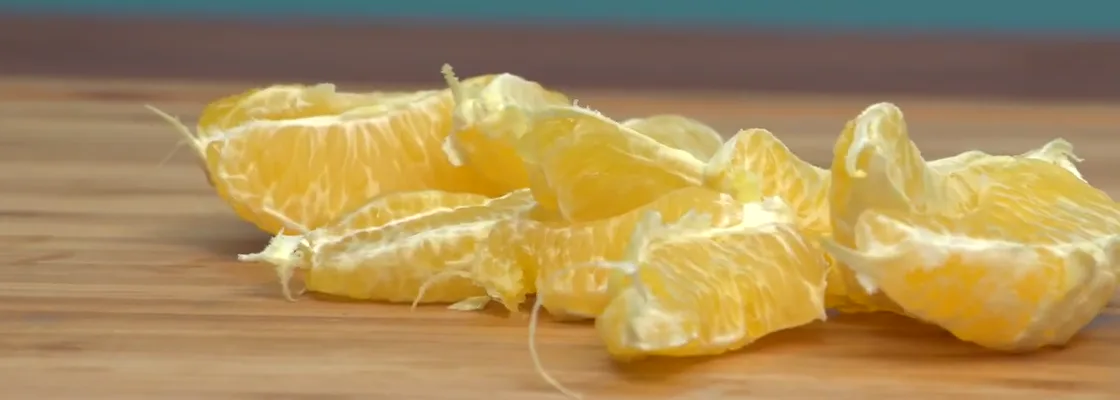
How to offer orange safely

Wash the outside before peeling. Remove the rind, seeds and tough material that would be difficult for the dog to manage. Set aside the dog’s portion before adding the fruit to a dessert, salad or drink.
Start with a small taste and avoid offering other unfamiliar foods at the same time. Watch how the dog eats; a segment that looks small to a person may be too large for a tiny dog or one that gulps food.
A dog that turns away from the citrus smell can have a different permitted reward. Fruit variety is not a requirement for balanced feeding.
Why the amount matters
Orange flesh contains natural sugar and is acidic. A large serving may cause digestive upset. Use the complete feeding plan to decide whether fruit fits, especially with diabetes, a sensitive digestive system, weight problems or a prescribed diet. [1]
Treats generally stay within 10% of daily calories. [2] That is a ceiling for combined treats, not a daily fruit target.
Can dogs eat orange peels
Do not intentionally offer peel. It is tough, unnecessary and can be difficult to digest. If a dog swallows a substantial piece, contact your veterinarian with the amount, the piece size and your dog’s weight. [1]
Do not assume that because the flesh can be suitable, the whole fruit is suitable. The same distinction matters when a dog raids the trash: wrappers, spoiled food and other ingredients may have been eaten too.
Repeated vomiting, abdominal pain, unusual lethargy, appetite loss or trouble passing stool warrants prompt advice after ingestion. Breathing difficulty or collapse requires urgent care. Follow the clinic’s instructions rather than using oil or another food to move peel along.
Orange products need a label check
| Product | Practical consideration |
|---|---|
| Plain fresh flesh | Small prepared portion if suitable |
| Orange juice | Easy to over-serve and unnecessary for dogs |
| Marmalade | Sugar peel and the full ingredient list |
| Orange cake or candy | Fat sweeteners chocolate and other additions |
| Citrus oils or cleaners | Chemical product exposure requiring separate advice |
Do not use food guidance to assess exposure to an orange-scented cleaning product or concentrated oil. Keep the product container and contact a professional.
If your dog ate a mixed product, check for xylitol and other unsuitable ingredients. Tell the clinic the actual product and amount instead of reporting only that it contained orange.
Choose a different approved reward if your dog dislikes citrus or has a restricted feeding plan.
Common questions
Can dogs have oranges every day
They do not need daily orange. Any serving should be small, tolerated and compatible with the complete diet.
Can dogs eat mandarins or clementines
A small amount of plain peeled flesh may be suitable, with seeds removed. Apply the same portion and ingredient checks.
Can puppies eat oranges
Discuss age-appropriate treats with the vet. A complete puppy food should remain the foundation of feeding.
Is orange juice better than fruit
No. It is unnecessary and easier to over-serve. Keep fresh drinking water available instead.
Are lemons limes and grapefruit interchangeable with oranges
No. Do not generalize this guide to every citrus fruit or citrus product. Choose an established dog-appropriate treat or ask your veterinarian.