Can Dogs Eat Broccoli and How to Limit Digestive Upset
Dogs can eat a small amount of plain broccoli, raw or cooked, but it is not suitable in unlimited quantities. Florets contain isothiocyanates that can irritate the digestive tract, and tough stalk pieces can be difficult to swallow. Start small and cut the vegetable carefully. [1]
For many owners, a little plain cooked broccoli is simpler to prepare than a large raw stalk. Broccoli is an optional treat, not a necessary addition to complete dog food.
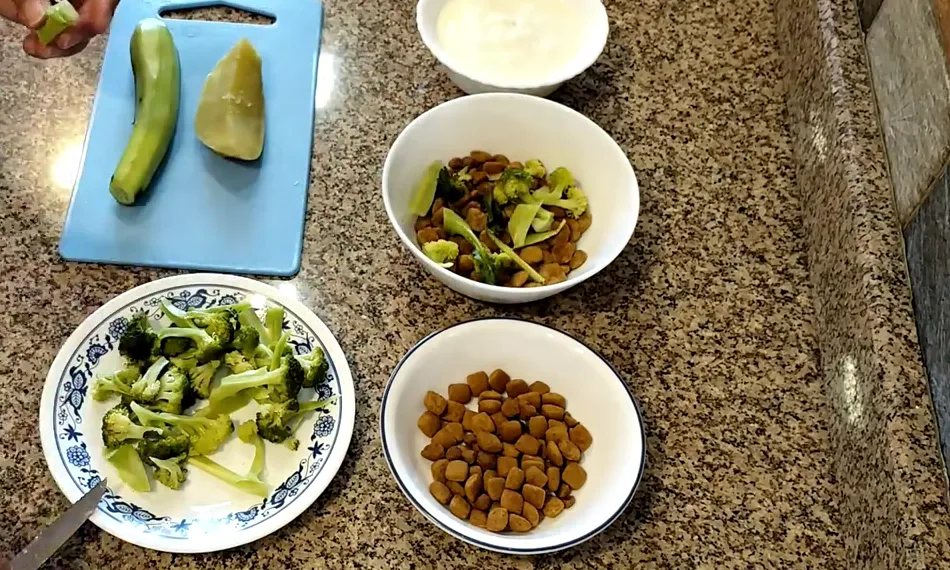
Florets and stalks have different practical concerns
The florets’ compounds can cause gastrointestinal irritation, particularly when too much is eaten. Stalks create a separate texture and size concern. A piece can be physically inappropriate even if the total amount of broccoli looks small. [1]
Online percentage rules are not reliable tools for deciding whether a particular dog is safe after a large ingestion. They can be unclear about weight, volume or calories, and individual tolerance varies. If your dog ate a substantial amount or has symptoms, describe the exposure to a veterinarian.
How to prepare broccoli
- Wash the vegetable and inspect it for spoilage.
- Use plain broccoli without sauce, oil, butter or seasoning.
- Cook until easier to manage if that suits your dog’s chewing ability.
- Cut florets and any offered stalk into small, manageable pieces.
- Allow cooked food to cool and offer only a little first.
Do not hand over a full stalk as a chew. Supervise dogs that gulp, and put scraps away before the dog reaches the bin or compost.
How much can a dog eat
Use a conservative portion within the dog’s dietary plan rather than aiming at the largest amount mentioned online. Treats generally stay within 10% of daily calories. [2]
For a dog with gastrointestinal disease, food allergies or a prescribed diet, ask before introducing broccoli. If the dog already has gas or diarrhea, adding a new fibrous snack makes it harder to understand what is causing the problem.
Broccoli dishes are not all equivalent
| Dish | What to consider |
|---|---|
| Plain cooked broccoli | Small pieces and a small portion |
| Raw broccoli | Firm texture and individual tolerance |
| Broccoli with cheese sauce | Dairy fat salt and all added ingredients |
| Stir-fry or takeout broccoli | Onion garlic sauces and other ingredients |
| Thick discarded stalks | Swallowing and obstruction concerns |
Cooking does not make a garlic-containing sauce disappear. Save the recipe or label after an accidental exposure and describe all ingredients to the clinic.
What if your dog develops gas or vomiting
Stop offering broccoli and note the amount eaten. Contact your vet if vomiting is repeated, diarrhea persists or becomes severe, or the dog appears painful, unusually tired or unwilling to eat.
A swollen abdomen with unsuccessful retching, collapse or breathing difficulty needs emergency care. Do not assume that every abdominal change after a vegetable snack is ordinary gas. Tell the clinic the symptoms as well as the food history.
Start with the smallest practical taste and choose another approved treat if broccoli causes digestive upset.
Common questions
Can dogs eat broccoli stems
Only consider small manageable pieces, and never offer a thick stalk as a chew. It is reasonable to leave the stalk out entirely.
Is cooked broccoli safer than raw broccoli
Cooking can soften the texture, but portion, ingredients and individual tolerance still matter. Neither form is unlimited.
Can puppies eat broccoli
Ask about suitable treats for the puppy’s age and diet. Broccoli is not needed to balance puppy food.
Does broccoli prevent cancer in dogs
Do not present a snack as cancer prevention or treatment. Nutrient content does not establish that medical benefit.
My dog ate broccoli with garlic sauce What should I do
Contact your veterinarian with the recipe, amount and time. The sauce may matter more than the broccoli.