Can Dogs Have Tomatoes and What About the Plant
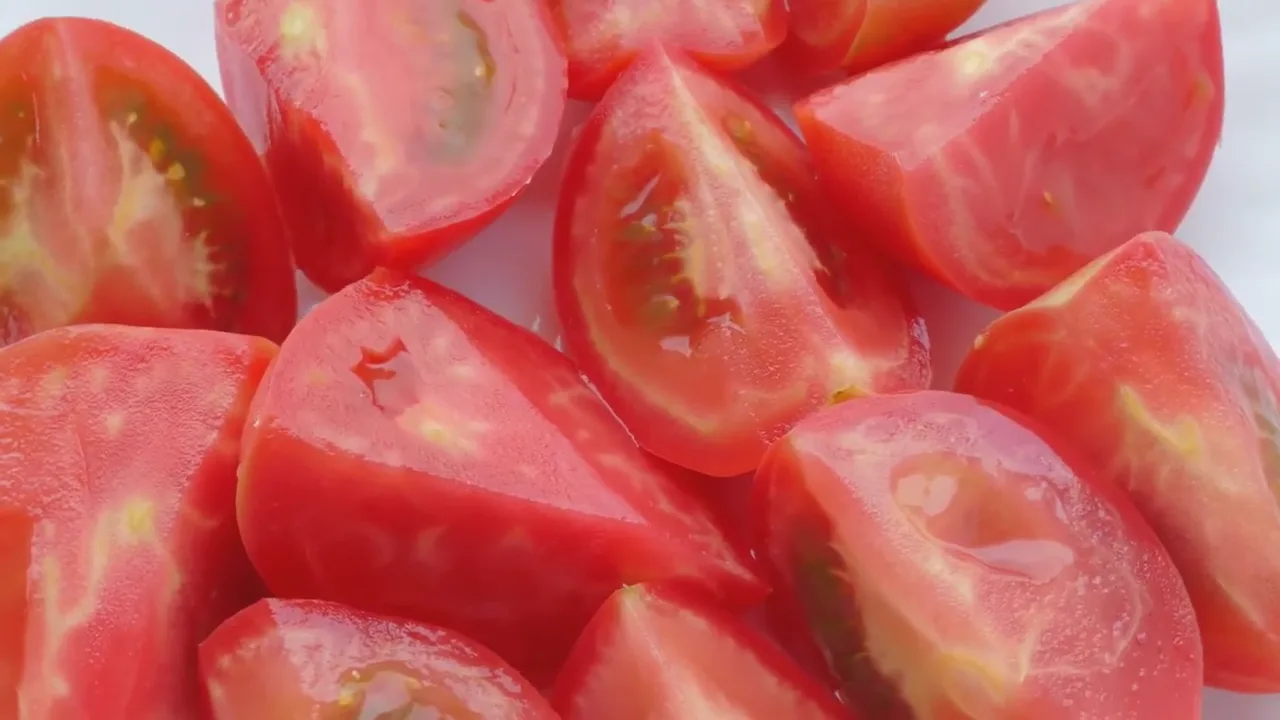
Most healthy dogs can have a small amount of plain, fully ripe tomato flesh. Remove stems and leaves and cut the flesh into manageable pieces. Do not intentionally feed green, unripe tomatoes or any part of the tomato plant. [1]
A little ripe tomato and chewing a garden vine are different exposures. If your dog ate plant material, a substantial amount of unripe fruit or has symptoms, contact your veterinarian for individual advice.
Why ripeness and plant parts matter
Tomato plants contain glycoalkaloids, including tomatine, with greater concern around green plant material and unripe fruit. Ripe flesh is a different feeding question. That distinction should not be turned into a promise that any amount of ripe tomato is suitable for every dog. [1]
For a planned snack, use a familiar ripe red tomato and leave out the plant material. If you grow varieties that remain green when ripe, choose another established dog treat rather than guessing from color alone. This guide is not a plant-identification tool.
How to prepare a tomato snack
Wash the tomato, remove the stem and leafy material, and inspect for spoilage. Cut a small amount of flesh into pieces the dog can handle. Whole cherry tomatoes may be inappropriate for dogs that swallow without chewing, so cut them too.
Offer a small taste separately from other new foods. There is no need to share tomato if the dog dislikes it or if it does not fit a veterinary diet.
What if your dog ate a tomato plant
Prevent further access and identify the plant if you can do so safely. Tell the vet whether the dog ate leaves, stems, green fruit, ripe fruit or a combination. Include the likely amount, the time and the dog’s weight.
Report vomiting, diarrhea, marked drooling, weakness, poor coordination or other unusual signs promptly. Breathing difficulty, collapse or seizures need urgent attention. Do not induce vomiting unless instructed by a veterinary professional.
A photograph of the plant and any garden products used nearby may help the assessment. Fertilizer, pesticide packaging or another plant could change the problem, so mention anything else the dog may have reached.
Sauces ketchup and salsa need separate checks
| Product | Why plain-fruit advice is insufficient |
|---|---|
| Pasta sauce | May contain onion garlic salt and other ingredients |
| Salsa | Often has onion seasonings and additional components |
| Ketchup | Added ingredients and concentrated servings vary |
| Tomato soup | Recipe may include dairy onion or rich additions |
| Plain ripe flesh | Simplest to prepare and portion |
Do not assess a pizza slice or a plate of pasta solely by its tomato content. Save the label or recipe and describe the whole food after an accidental ingestion.
How much tomato is appropriate
A universal number of slices or cherry tomatoes is misleading because their sizes differ. Consider the dog’s diet, health and other extras. Treats generally stay within 10% of daily calories. [2]
Prevent access to vines with a secure garden barrier and put harvested fruit out of reach. A dog that ignores tomatoes in a bowl may still chew a plant during outdoor exploration.
Prevent access to the tomato plants as well as the kitchen scraps.
Common questions
Can dogs eat cherry tomatoes
A little ripe flesh may be suitable, but remove the stem and cut the tomato to reduce swallowing concerns.
Can dogs have tomato sauce
Do not automatically share it. Check every ingredient, particularly onion and garlic, after an accidental exposure.
Are cooked tomatoes always safe
Cooking does not make every recipe suitable or remove the need to assess other ingredients.
My dog ate one leaf Should I wait for symptoms
Contact your vet with the exposure details. The amount and dog matter, so obtain individual advice rather than relying on a leaf count.
Do dogs need tomatoes for lycopene
No. An appropriate complete diet does not require an added tomato supplement.