Can Dogs Eat Shrimp and How to Prepare It
Most healthy dogs can have a small amount of plain, fully cooked shrimp with the head, shell, legs and tail removed. Cut the flesh into pieces suited to the dog. Raw shrimp, breaded shrimp and shrimp cooked in garlic butter need a different assessment. [1]
Shrimp is not essential to a balanced dog diet. The question is whether a small treat is appropriate for your individual dog, not whether a human seafood dish is healthy in general.
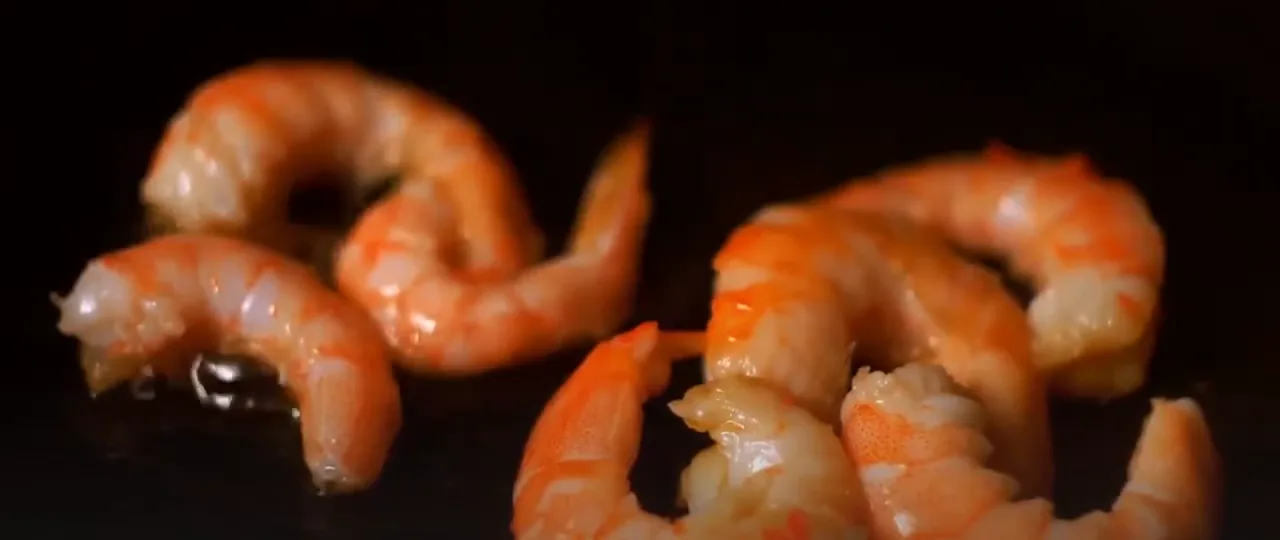
How to prepare shrimp for your dog
- Use sound seafood stored and handled safely.
- Cook it thoroughly without salt, butter, oil, garlic or other seasonings.
- Remove the head, shell, legs and tail completely.
- Let the flesh cool and cut it into manageable pieces.
- Offer a small taste and avoid introducing other new foods at the same time.
Do not serve from a communal bowl where shells have been mixed back in. A prepared portion is easier to check than expecting the dog to leave unwanted parts behind.
Why shells and tails should be removed
The hard parts can be difficult to manage and may create choking or digestive-tract injury concerns. Grinding shells at home is not a reason to assume they are suitable or nutritionally needed. If your dog swallows shells, tell your veterinarian the amount, the size of the dog and whether any symptoms are present. [1]
A small fragment and a large quantity are different situations, so avoid promises that every shell will pass or that every fragment causes an obstruction. The clinic can give advice based on the actual exposure.
Raw cooked and seasoned shrimp
| Form | Advice |
|---|---|
| Fully cooked plain peeled flesh | Small amount if suitable for the dog |
| Raw or undercooked shrimp | Do not intentionally feed |
| Garlic butter shrimp | Assess the whole recipe after ingestion |
| Fried breaded shrimp | Rich ingredients make it a poor routine treat |
| Shrimp with shell or tail | Remove before feeding; report accidental ingestion |
Cooking reduces risks associated with raw seafood, but it does not remove unsuitable seasonings already present. A shrimp-flavored cracker is another processed food, not the same thing as plain shrimp flesh.
How much shrimp can dogs eat
Shrimp vary considerably in size, so one shrimp is not a reliable universal portion. Use the dog’s treat allowance and individual dietary guidance. Treats generally stay within 10% of daily calories. [2]
Ask before offering shrimp if your dog has a prescribed diet, previous food reactions or a digestive condition. If the goal is training, an approved regular-food reward may be simpler and less expensive than introducing a new protein.
What to do after an unexpected exposure
Save the packet or recipe and note whether the shrimp was raw, cooked, seasoned or still in its shell. Tell the vet if a skewer, wrapper or other object may also have been swallowed. A missing skewer changes the concern substantially.
Contact the clinic for repeated vomiting, persistent diarrhea, abdominal pain or marked lethargy. Facial swelling, breathing difficulty or collapse requires urgent veterinary care. Do not induce vomiting unless a veterinary professional tells you to.
Set aside a plain cooked and peeled portion before preparing sauces for the human meal.
Common questions
Can dogs eat shrimp tails
Do not offer them. Remove the tail and shell before serving the flesh.
Can dogs eat cocktail shrimp
Only consider plain fully cooked flesh after checking ingredients and removing the tail. Cocktail sauce is a separate product and should not be shared automatically.
Can puppies eat shrimp
Discuss age-appropriate treats with your vet. Shrimp is not required for puppy growth and should not replace complete puppy food.
Can dogs be allergic to shrimp
Food reactions are possible. Stop offering it and seek advice for concerning signs; use urgent care for breathing difficulty or collapse.
Is one raw shrimp always an emergency
The exposure needs individual advice rather than an automatic prediction. Contact your veterinarian with the amount, handling history and your dog’s health information.