English Springer Spaniel Care and Lifestyle Fit
An English Springer Spaniel is an active, people-oriented sporting dog. The breed can suit an owner who enjoys training and outdoor activity and can provide consistent company and care. A friendly reputation does not make a Springer a low-maintenance choice for every household.
Before choosing one, picture an ordinary workday. Who will handle exercise, toilet breaks, coat care and training when you are busy or the weather is unpleasant? That answer matters more than whether the dog looks calm in a photograph.
Breed overview
| Feature | What prospective owners should understand |
|---|---|
| Background | Sporting dog developed for working closely with people |
| Typical adult size | About 19 to 20 inches and 40 to 50 pounds in the AKC description |
| Activity | Needs regular physical activity and mental work |
| Coat | Requires ongoing brushing and attention to feathered areas |
| Household fit | Best assessed through the individual dog’s history and needs |
Breed descriptions give broad tendencies. They do not predict exactly how a particular puppy or adult will behave.
Temperament and everyday behavior
Springers are commonly described as trainable and eager to participate with their people. That can be rewarding when the household enjoys teaching and interacting with a dog. It can become difficult when the plan is mostly time alone followed by a short outing.
Ask a breeder or rescue about the individual dog’s response to visitors, handling, other animals, being alone and settling indoors. A calm adult assessment is more informative than a claim that all dogs of the breed are perfect with children.
Supervise interactions with children and provide a resting area where the dog can be left alone. Teach household members to notice avoidance or discomfort rather than expecting tolerance because of a family-dog label.
Field and show backgrounds
People use field-bred and show-bred to describe selection backgrounds within the breed. Ask what the parents and close relatives actually do and what kind of home the breeder expects. Avoid assuming that one label guarantees a particular energy level or that every puppy in a litter is the same.
For an adult rescue, prioritize observed behavior, health records and current activity needs. The dog’s actual routine can be more useful than an uncertain ancestry label.
Exercise and training
Build a routine that includes sniffing, walking, appropriate play, short training sessions and learning to settle. A fenced yard is useful management, but access to a yard is not the same as interacting with or exercising a dog.
Use rewards and consistent cues. Practice recall in a safe area, polite leash behavior, handling and calm rest. Adjust activity to age, weather, condition and veterinary advice rather than imposing a fixed mileage target on every dog.
If behavior is difficult, describe the circumstances to a qualified reward-based trainer and involve the veterinarian when a change could relate to pain or illness. Punishment does not supply the missing information about why the behavior occurs.
Grooming and ear care
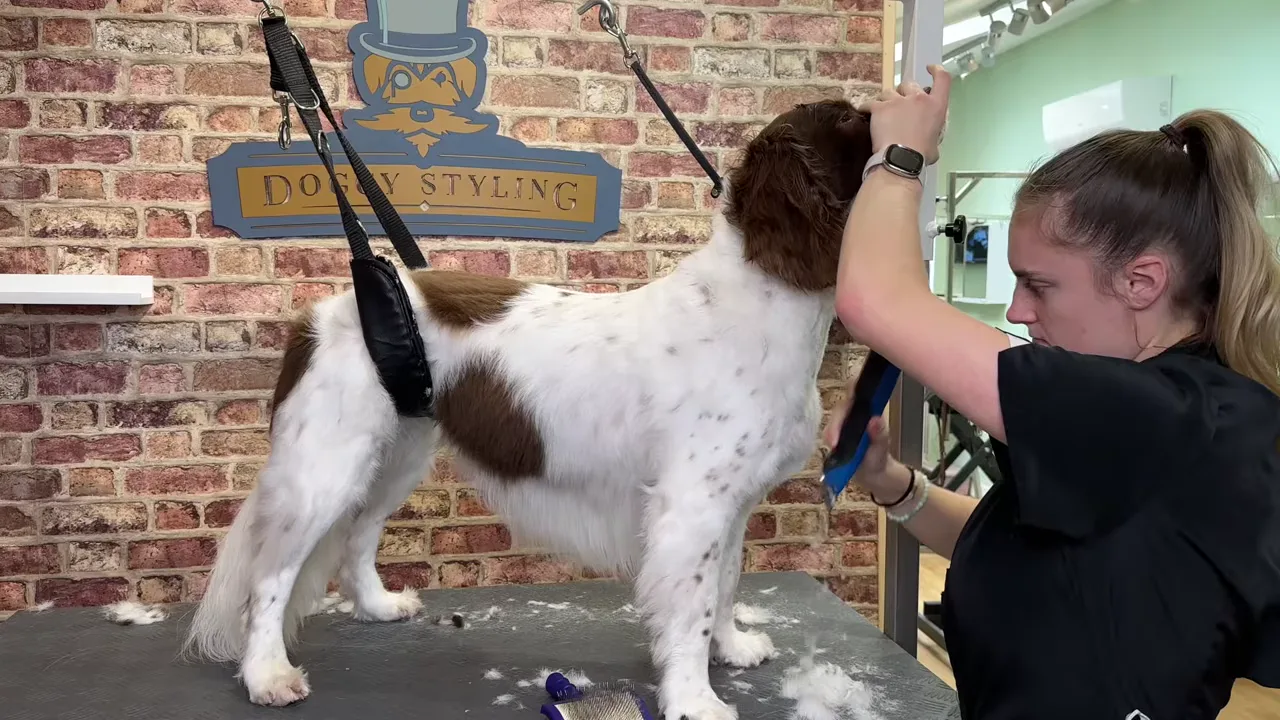
Plan for brushing, checking areas that can tangle and arranging professional help if needed. Introduce handling gradually rather than waiting for a difficult mat to make the first grooming experience painful.
Long ears deserve regular observation, but do not use automatic cleaning or medication whenever the dog shakes its head. Redness, odor, discharge or pain needs veterinary assessment. Ask which cleaning routine, if any, is appropriate for this dog.
Health questions before you commit
AKC’s breed information lists hip, elbow, ophthalmologist and specified PRA DNA evaluations among recommended screening considerations. Ask for the actual results and an explanation of what each test does and does not assess. A general claim that the parents were vet checked is not the same as documented screening.
For a rescue, ask what records are available and budget for gaps in the history. Missing paperwork is not itself a diagnosis, but it should be reflected in your care planning.
Costs and a practical fit check
Get local quotes for food, routine veterinary care, insurance if desired, training, grooming and boarding or walking support. Keep an emergency-care plan. Do not rely on a national puppy-price range that fails to show its sample date or included services.
A Springer may be worth considering if you want regular training and activity and can organize care when absent. If you want very little coat maintenance or a dog that will be content with minimal interaction, look carefully at alternatives and meet adult dogs before deciding.
Meet an adult Springer and compare its normal weekday with the routine your household can provide.
Common questions
Is an English Springer Spaniel suitable for a first dog
Possibly, if the owner can meet the activity, training and care needs and obtain support. Experience level alone is less useful than a realistic routine.
Can a Springer live in an apartment
Assess noise, toileting, access to activity, time alone and the individual dog. Floor space alone does not decide suitability.
Are Springers always good with cats
No guarantee applies to every dog. Ask about the individual’s history and plan controlled introductions and separate safe spaces.
Do English Springer Spaniels shed
They have a coat that needs ongoing care. Ask about brushing, shedding and professional grooming expectations for the individual dog.
Can a Springer stay alone all day
Do not assume it will manage without a plan. Arrange appropriate breaks and support and assess how the dog actually responds.