Small Dog Breeds and How to Choose a Good Match
Small dog breeds differ widely in activity, coat care, handling needs and personality. A small body does not guarantee quiet behavior, little exercise or an easy match for children. Choose a dog whose actual needs fit the household, and consider an adult rescue if knowing mature size and observed behavior is important.
The ten breeds below are a starting shortlist, not a universal ranking. The questions beside each breed help you investigate a practical match rather than choose by appearance alone.
Ten small breeds to consider








| Breed | Starting point | Question for the breeder or rescue |
|---|---|---|
| Chihuahua | Very small companion with an alert personality | How does this dog respond to handling and busy environments |
| Papillon | Small energetic toy companion | What play training and rest routine works for this dog |
| Toy Poodle | Small athletic companion with a curly coat | What grooming schedule and activity does this dog need |
| Miniature Schnauzer | Small outgoing companion | What triggers barking and how is the coat maintained |
| Shih Tzu | Small companion with a distinctive face and coat | What grooming handling and health care is currently needed |
| Maltese | Small companion associated with a long coat | What brushing or clipping routine can the household maintain |
| Yorkshire Terrier | Small terrier with a long coat | How does this dog behave around visitors animals and handling |
| Dachshund | Long-bodied breed with size and coat varieties | Which size and coat is this dog and what health history is known |
| Havanese | Small sociable companion | How does this individual cope with time alone and daily grooming |
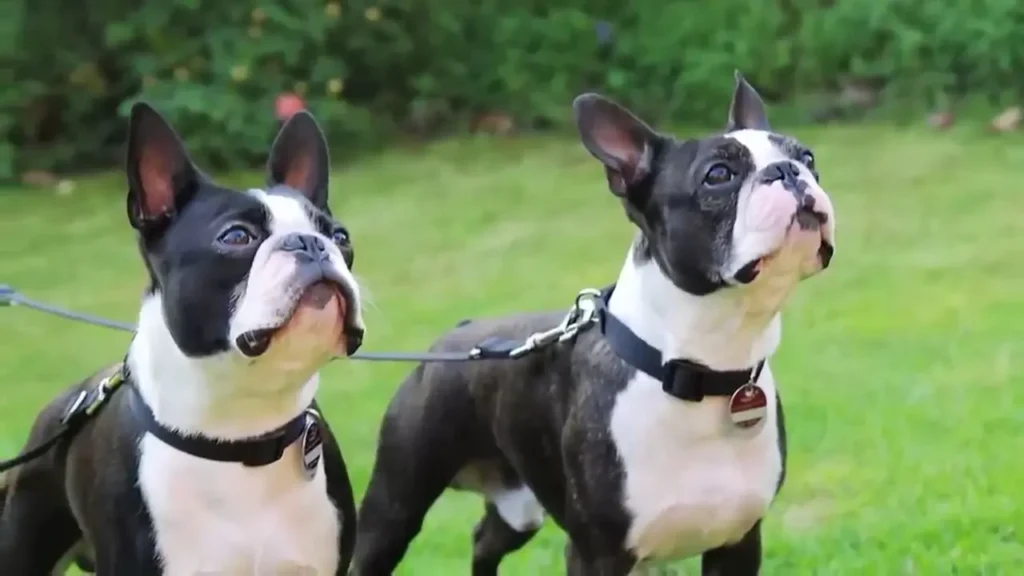
| Boston Terrier | Compact lively companion | What activity and health considerations apply to this dog |
The breed starting points draw on AKC descriptions. The questions are editorial prompts, not diagnoses or claims that every member of the breed has a particular problem. [1–11]
Match grooming to your real budget
A long or curly coat can require a routine that differs substantially from a short coat. Ask what the dog currently needs, how it tolerates brushing and whether professional appointments are part of care.
Get a local grooming quote before committing. Discuss mat prevention, nails and handling practice. Choosing a clipped style may simplify parts of the routine, but it does not eliminate coat or skin care.
Do not assume low shedding means no grooming or that a coat label guarantees no allergic reaction. A person with allergies needs individual medical advice and a careful plan, rather than a promise attached to a breed name.
Small size does not settle exercise or noise
Ask about the dog’s actual daily activity, ability to settle and response to sounds, visitors and being left alone. A breed list cannot reliably assign a guaranteed barking level to an individual animal.
Apartment suitability includes access to toileting, the building environment, neighbors, time alone and a workable activity routine. A dog that fits comfortably in a carrier may still need substantial training and engagement.
If noise would cause a serious housing problem, discuss that constraint openly with the rescue or breeder. Adult foster observations may be helpful, although behavior can change in a new environment.
Children other pets and handling
Very small dogs need protection from rough handling and accidental injury. Supervise interactions and teach children to respect resting areas and signs that a dog wants space. Do not choose a breed solely because a list calls it good with kids.
For a household with cats or other dogs, ask about the individual’s history. Plan introductions, separate resources and the ability to create distance. Familiarity with one animal does not guarantee compatibility with every new pet.
Practice cooperative handling in small steps. Being small enough to pick up does not mean a dog is comfortable being carried or restrained.
Puppies adult dogs and the teacup label
A puppy’s eventual size involves some uncertainty, especially with unknown parentage. Ask about mature relatives and the basis for an estimate. An adult dog offers more direct information about current size, although health and behavior still require assessment.
Do not assume teacup describes a separate health-tested breed. Ask what the seller actually means, request records and focus on the dog’s welfare. Extremely small advertised size is not a substitute for sound health screening and responsible care.
Compare costs using written information
Request the adoption or purchase fee, included veterinary services, known ongoing treatment, grooming expectations and likely care needs while you are away. Then get local estimates for food, routine care, training and emergency planning.
Avoid choosing from an unsourced cheapest-breed ranking. The initial price can be a small part of the continuing responsibility, and health needs vary between individuals.
A practical next step
Shortlist two or three plausible options, meet individual dogs and bring your household constraints in writing. Ask about handling, noise, time alone, grooming, activity and medical history using the same questions each time. Compare the answers rather than relying on a numerical personality score.
Shortlist a few individual dogs and use the same care and behavior questions for each meeting.
Common questions
Which small dog breed is best for apartments
No breed is universally best. Assess the individual dog’s noise, activity, toileting and time-alone needs alongside the building and your schedule.
Which small dogs do not shed
Shedding varies, and low shedding does not mean no grooming or guaranteed allergy safety.
Are small dogs easier for first time owners
Some may be a good match, but training, health and handling responsibilities still apply. Choose by actual needs and available support.
Which small dog is best with children
There is no breed-wide guarantee. Consider the individual dog, the children’s behavior, supervision and safe resting space.
Is an adult rescue a good option
It can be, particularly when observed behavior and mature size help your decision. Ask about the reliability and limits of the history.