Dog Ear Infection Symptoms Diagnosis and Treatment
A dog ear infection can cause head shaking, scratching, redness, odor, discharge or pain. These signs are a reason to arrange a veterinary examination, not a way to identify the organism or choose ear drops at home. Ear mites, allergies, foreign material and other problems can look similar. [1]
Seek urgent veterinary care for severe pain, head tilt, loss of balance, facial changes, collapse or a dog that is otherwise very unwell. A newly painful ear should be assessed before you put cleaner or medication into it.
Common signs owners notice
You may notice the dog rubbing one side of its head, avoiding touch, crying during handling or repeatedly scratching. Some ears have discharge or an unusual smell; others are painful without an obvious external change.
Do not diagnose yeast from a smell or bacteria from the color of discharge. A photo can show what the outside looks like, but it cannot establish the condition of the canal or eardrum.
Write down when the signs began, whether one or both ears are involved, and whether the problem has happened before. Mention swimming, grooming, skin itching, medications and any product already used.
What happens at the veterinary visit
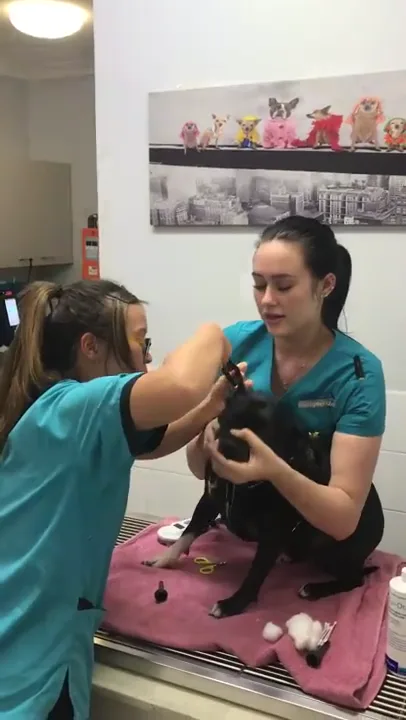
The vet examines the ear and may use an otoscope to inspect the canal and eardrum. A sample examined under a microscope, called cytology, helps identify organisms and inflammation. Culture or further testing may be appropriate in some cases. A very painful or obstructed ear can require additional handling or sedation for a proper examination. [1]
The eardrum matters because not every ear product is suitable when it is damaged. That is one reason a leftover bottle from an earlier episode is not an automatic solution.
Why the infection keeps coming back
Treatment needs to address both the current ear problem and any contributing condition. Allergies, moisture, anatomy, foreign material and other issues can contribute. Treating microorganisms without understanding recurrence may leave the underlying problem unresolved. [1]
Bring previous records and names of products used. Note whether the symptoms fully disappeared, whether a recheck was done, and how soon the problem returned. This history is more useful than guessing that the dog has a permanently resistant infection.
Do not start a restrictive homemade diet solely because recurrent ears might involve allergy. Discuss a controlled diagnostic plan with the vet, including how treats and flavored medications might affect any diet trial.
Treatment depends on the diagnosis
The plan may include cleaning, medication for identified organisms, inflammation control and management of an underlying condition. A foreign body needs a different solution from an uncomplicated infection. Some severe or chronic ear problems need specialist assessment. [1]
Follow the prescribed amount, application method and duration. Ask the clinic to demonstrate how to administer treatment and explain what to do if the dog resists or the ear becomes more painful. Do not change medication or stop early because the smell has improved without discussing the plan.
A recheck can assess whether the canal and microscopic findings have improved. Looking better at home is helpful information, but it may not answer every treatment question.
What to avoid at home
Do not pour hydrogen peroxide, alcohol, vinegar, essential oils or an improvised mixture into an inflamed ear. Avoid cotton swabs in the canal; they can push material deeper or injure tissue. If the ear is red or painful, consult the vet before cleaning. [2]
Do not forcibly restrain a painful dog for an internet cleaning routine. Tell the clinic if treatment cannot be given safely. It can adapt the plan rather than leaving you to improvise.
Preventing future episodes
Ask whether your dog actually needs routine cleaning and which product and frequency are appropriate. Over-cleaning can irritate ears. If moisture is a concern, follow the clinic’s guidance after bathing or swimming rather than using a universal schedule. [2]
Check external ears regularly during normal gentle handling. Report early changes instead of waiting until the canal is very painful. Keep medication names and previous diagnoses in one place so recurrent episodes are easier to discuss.
Arrange the examination and take a list of previous ear products and treatments with you.
Common questions
Can a dog ear infection clear without treatment
Do not rely on that. Similar-looking conditions need different care, and untreated problems may become more painful or complicated.
Can I buy over the counter ear drops
An examination is needed to choose appropriate treatment and assess the eardrum. Ask the vet before using a product.
Is every smelly ear a yeast infection
No. Smell alone does not identify the cause. Cytology and examination provide more useful information.
Are dog ear infections contagious
It depends on the cause. Some contributing problems are not contagious, while parasites may require a different household plan. Ask about the actual diagnosis.
How long does treatment take
There is no universal duration. Severity, cause, the ear’s condition and the response at recheck determine the plan.
Should I clean the ear before the appointment
Ask the clinic. It may want to examine and sample the untreated ear, especially when it is painful or a new problem.